
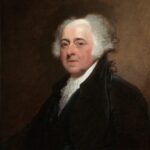
John Adams
Explore John Adams’s vision of education, virtue, and civic formation—and why he believed liberty depends upon an educated and morally disciplined people.
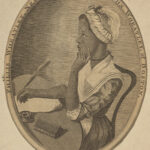
Phyllis Wheatley
Phillis Wheatley believed education was more than knowledge. Through poetry, Scripture, and moral reflection, she presented learning as a pathway toward virtue, reverence, and human dignity. This companion brief explores Wheatley’s educational vision and its relevance for pastors, teachers, and families today.
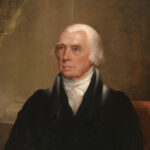
James Madison
James Madison understood that liberty depends on an informed and disciplined people. A republic cannot endure without citizens capable of thinking, discerning, and judging wisely.
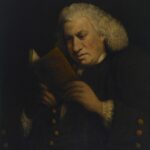
Samuel Knox
Samuel Knox argued that education is not merely the acquisition of knowledge, but the disciplined formation of the mind and character—preparing individuals to think clearly, live wisely, and sustain a free society.
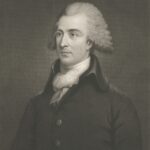
Tench Coxe
Tench Coxe argues that the strength of a nation rests not only on its institutions, but on the disciplined work of its people. Productive labor, in his view, forms the habits—competence, responsibility, and self-reliance—that sustain both economic independence and civic freedom.
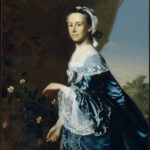
Mercy Otis Warren
Mercy Otis Warren reveals that revolutions are not born in moments of crisis, but in the long formation of a people shaped by ideas, virtue, and moral conviction.
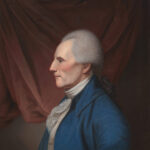
Richard Henry Lee
Richard Henry Lee introduced the motion for American independence in 1776—but his leadership was formed long before Congress. In colonial America, education prepared individuals for service, not just personal advancement.
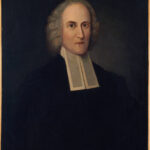
Jonathan Edwards
Jonathan Edwards argued that genuine understanding involves transformed affections that enable believers to perceive the beauty of divine truth. His writings present education as a process that forms both mind and heart.
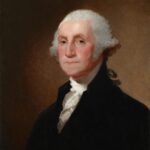
George Washington
George Washington understood that the endurance of a republic depends upon the character of its citizens. Through disciplined habits of learning, moral formation, and the cultivation of knowledge, education prepares individuals not merely for personal success but for responsible self-government. In Washington’s vision, liberty is sustained when citizens learn first to govern themselves.
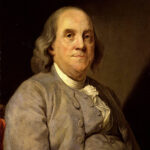
Benjamin Franklin
Benjamin Franklin’s education did not come primarily through formal schooling but through apprenticeship and disciplined work. As a young printer, he cultivated habits of reading, writing, and reflection that shaped both his intellectual development and his public life. Franklin believed that knowledge must be joined to industry and practice, forming citizens capable of contributing to the common good.
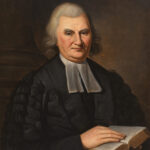
John Witherspoon
John Witherspoon argued that a free society rests on education that forms the conscience—uniting faith, reason, and character to prepare citizens for responsible freedom.
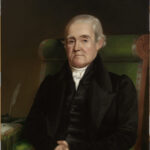
Noah Webster
“The instructors of youth ought, of all men, to be the most prudent, accomplished, agreeable and respectable. The pernicious effects of bad example on the minds of youth will probably be acknowledged.”
— Noah Webster, On the Education of Youth in America (1788)
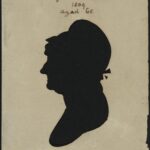
Abigail Adams
“If you complain of neglect of education in sons, what shall I say with regard to daughters, who every day experience the want of it… If we mean to have heroes, statesmen, and philosophers, we should have learned women.”
— Abigail Adams, Letter to John Adams, August 14, 1776
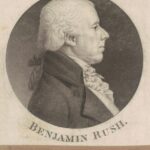
Benjamin Rush
Benjamin Rush understood education as the cultivation of moral and civic character, not merely the transmission of knowledge. This brief explores his vision of early formation rooted in Scripture, the family, and the shaping of virtuous citizens—offering insight into how America’s founders understood the relationship between education and the republic.