
John Witherspoon
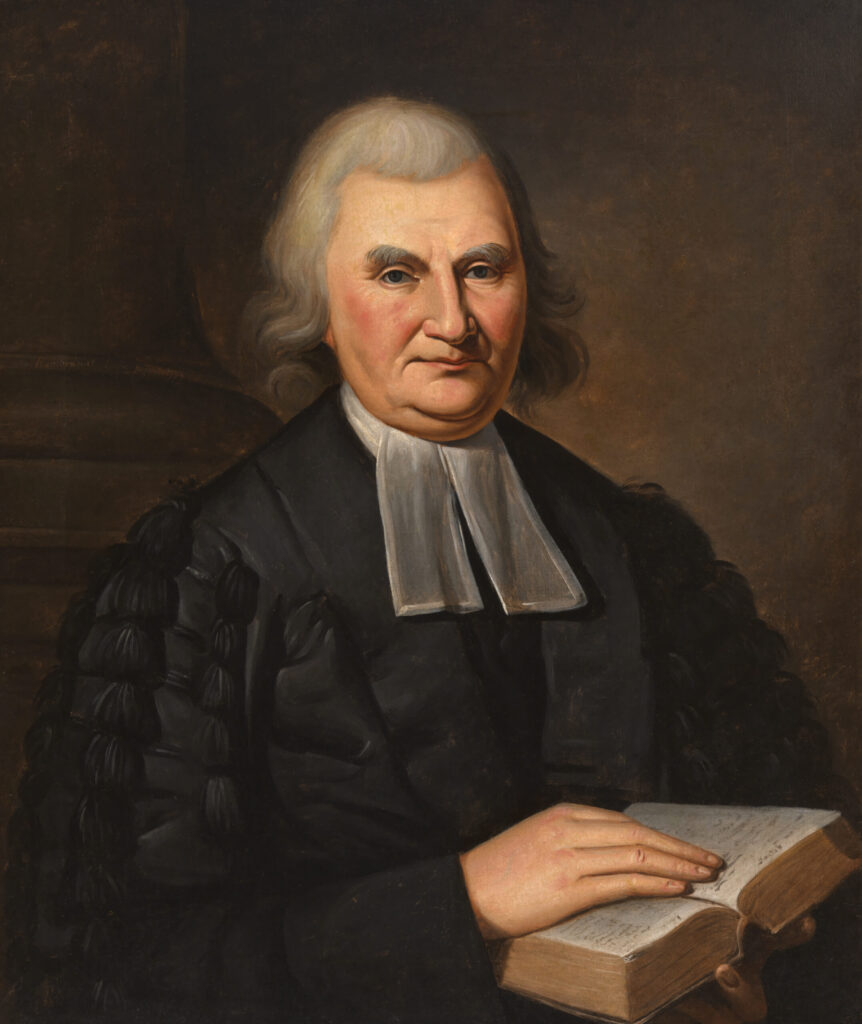
John Witherspoon argued that a free society rests on education that forms the conscience—uniting faith, reason, and character to prepare citizens for responsible freedom.
Noah Webster
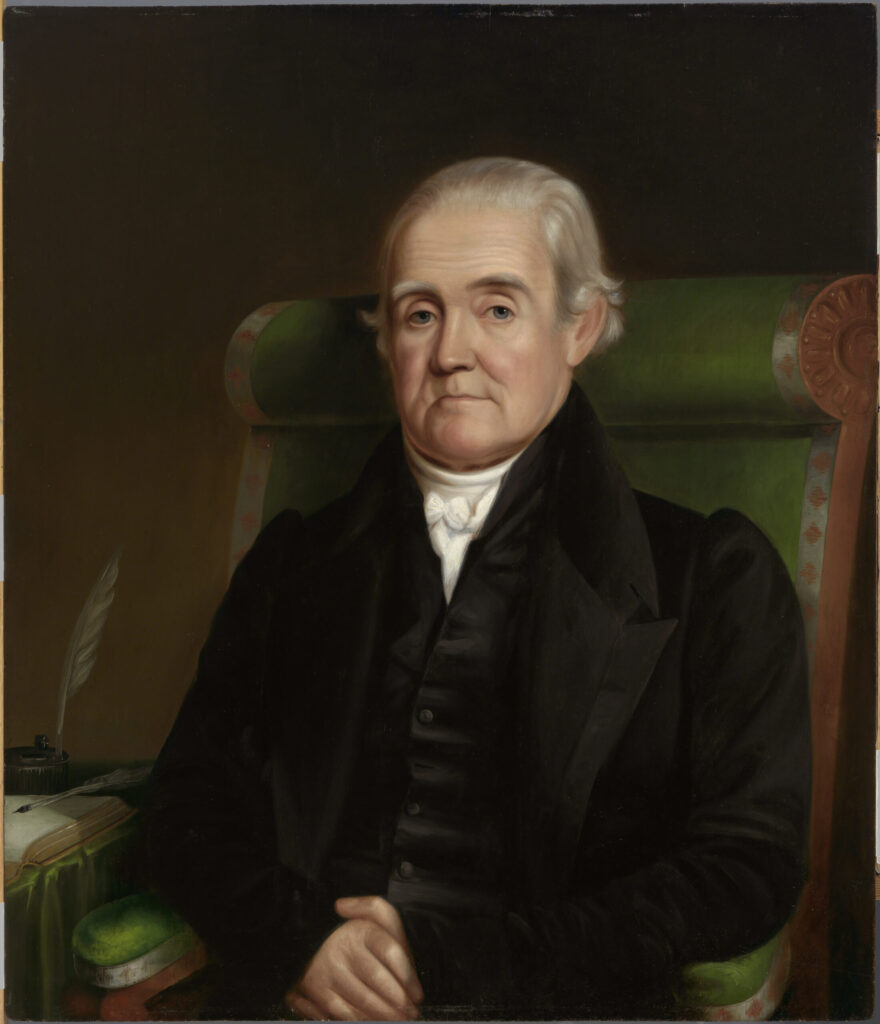
“The instructors of youth ought, of all men, to be the most prudent, accomplished, agreeable and respectable. The pernicious effects of bad example on the minds of youth will probably be acknowledged.”
— Noah Webster, On the Education of Youth in America (1788)
These Schools Are Seeing a January Enrollment Surge
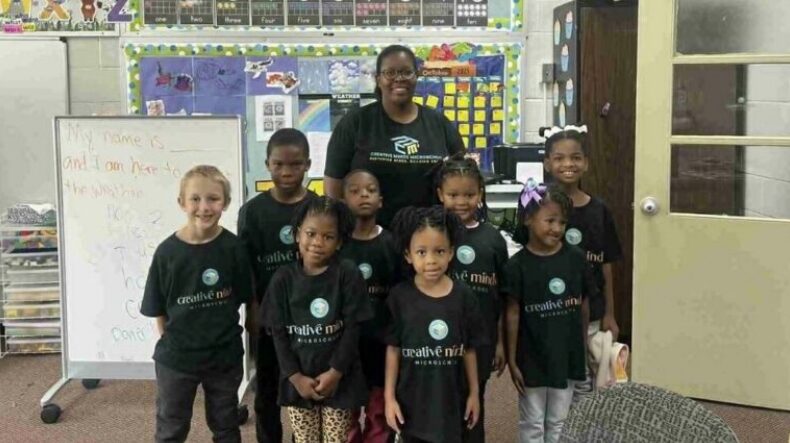
Interest in microschools and alternative education models continues to grow as families seek environments that are more relational and responsive to student needs. This article offers a snapshot of the trend and signals a wider reconsideration of how education shapes the human person.
Abigail Adams
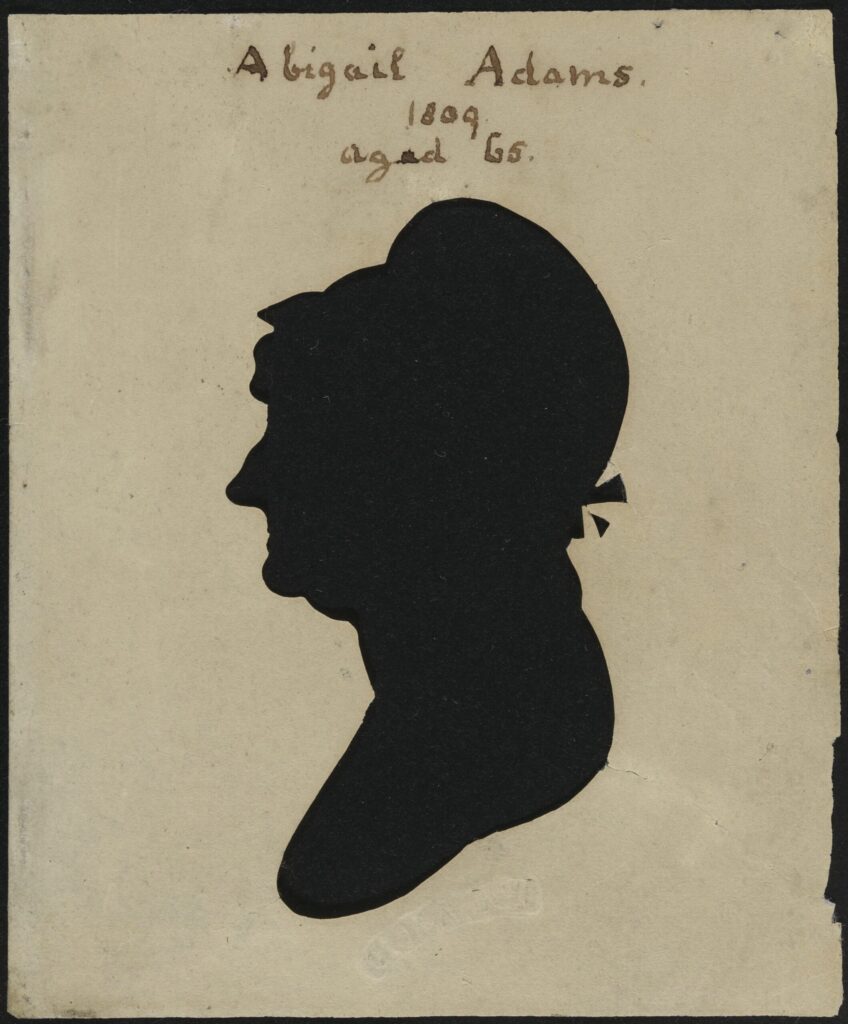
“If you complain of neglect of education in sons, what shall I say with regard to daughters, who every day experience the want of it… If we mean to have heroes, statesmen, and philosophers, we should have learned women.”
— Abigail Adams, Letter to John Adams, August 14, 1776
Formation, Not Familiarity: What Surveys Reveal

Surveys measure sentiment, not formation. This essay explains why public confidence often reflects familiarity rather than conviction—and why renewal begins with training educators, not managing systems.
Benjamin Rush
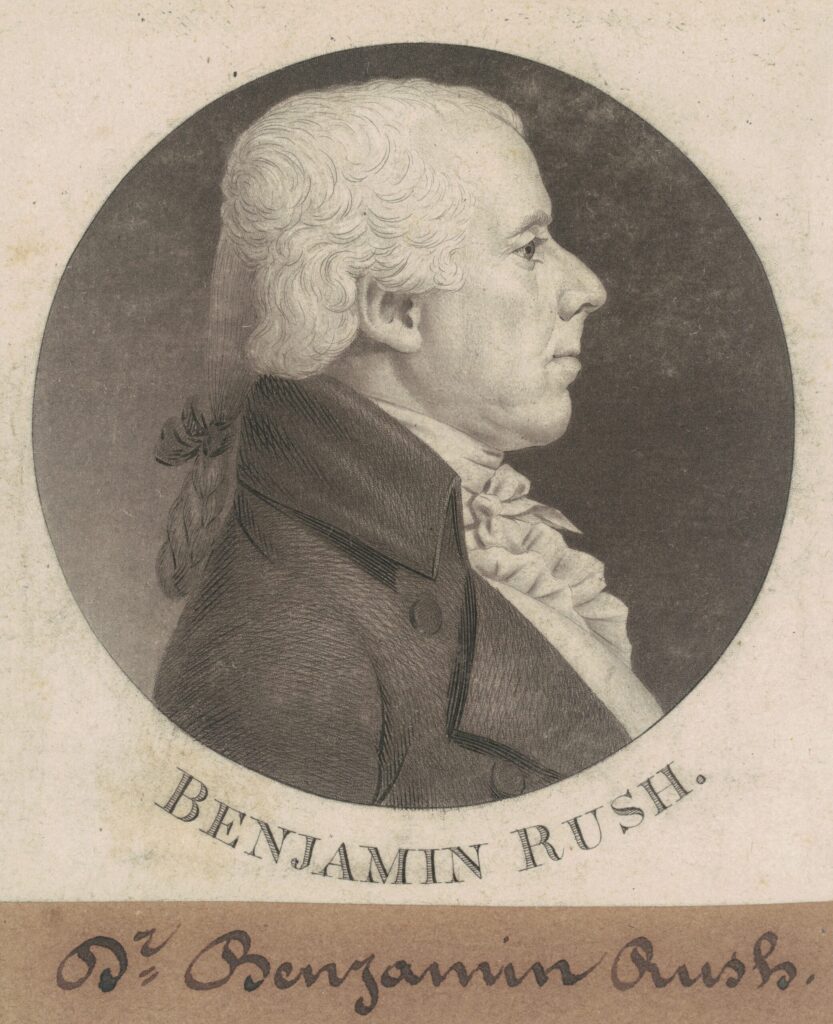
Benjamin Rush understood education as the cultivation of moral and civic character, not merely the transmission of knowledge. This brief explores his vision of early formation rooted in Scripture, the family, and the shaping of virtuous citizens—offering insight into how America’s founders understood the relationship between education and the republic.
Rallying Against ICE, Students Across US Join the Revolution
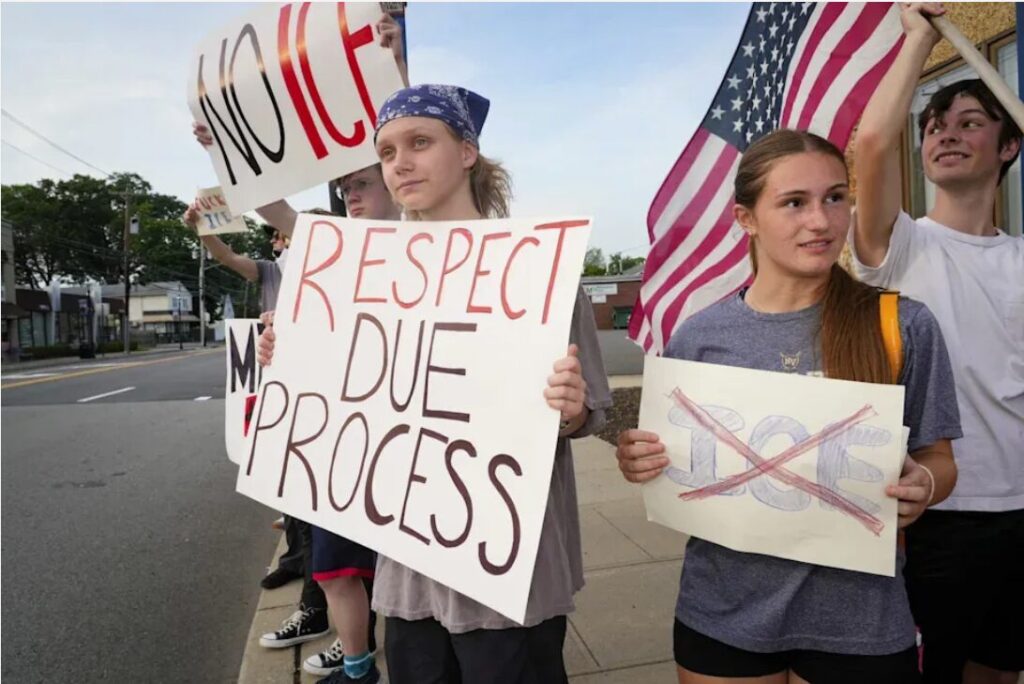
A neutral overview of reported student protests on multiple college campuses in response to federal ICE enforcement actions.
Study Undercuts Claim That More School Spending Helps Student Achievement
A data-driven analysis examining whether increased K–12 school spending reliably improves student achievement, and why allocation and instructional quality may matter more than funding totals alone.
Thomas Sowell on School Choice and the Price Our Children Pay for Bad Ideas
Thomas Sowell examines how education policies shaped by ideology rather than accountability have imposed lasting costs on children and weakened the integrity of American schooling.